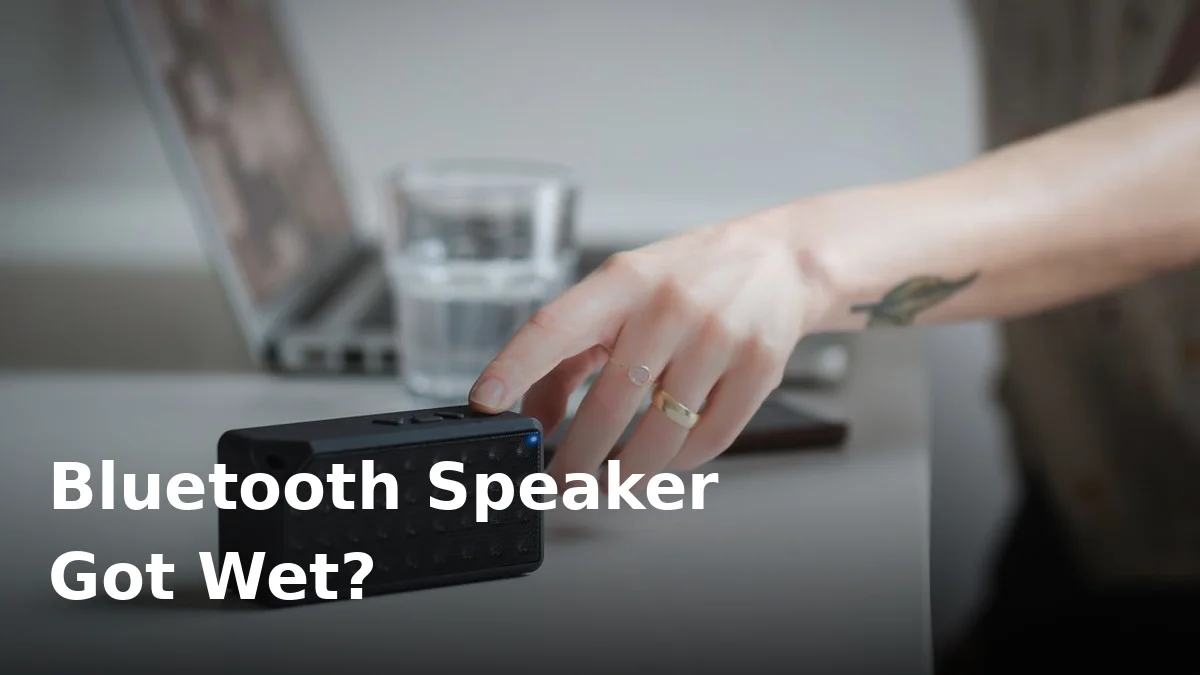
A Bluetooth speaker in the pool, caught in a downpour, or knocked into the bath is a horrible moment — especially because the instinct is to turn it on immediately to “check if it still works.” That one test can be the thing that does the damage. Water plus electricity is a bad combination, and a wet speaker that is switched on and played loud can short, corrode, or blow its driver while it is still soaked inside.
The good news: many wet Bluetooth speakers recover fully if you power them down, dry them properly, and wait. This guide covers exactly what to do in the first hour, how to dry one out, and the warning signs that mean it is time for a repair shop instead.
Step 1: Switch it off and keep it off
If the speaker is still on, switch it off now. Do not press play to test it, do not pair it, and do not plug in a charger. Charging a wet speaker is the single most damaging thing you can do in the first hour — it pushes current through wet contacts and invites corrosion on the charging port and battery connections.
Unplug any cable, remove it from water, and wipe the outside dry with a soft cloth. If the speaker has a removable grille cover or a port flap, open the flap so air can get in, but do not force anything off. Tip the speaker so the grille faces down and let loose water drain out on its own. A gentle tilt is enough; shaking it hard can spread water to parts that were still dry.
Step 2: Work out how wet it really is
Not all “wet” is equal, and the drying plan depends on the answer:
- Splashed or rained on: the outside is wet, the grille may be damp, but the speaker still feels solid. This is the easiest recovery — usually a few hours of air drying.
- Dropped in a bath, pool, or sink: water has almost certainly got inside, even on a speaker rated IPX7. Plan on a full day or more of drying before you even think about switching it on.
- Sea water or chlorinated pool water: worse than fresh water, because salt and chlorine leave corrosive residue as they dry. For a speaker that is rated waterproof, a quick rinse with clean fresh water (as the manufacturer directs) can actually help; for a non-waterproof speaker that is already soaked, do not submerge it again — just wipe it down and dry it.
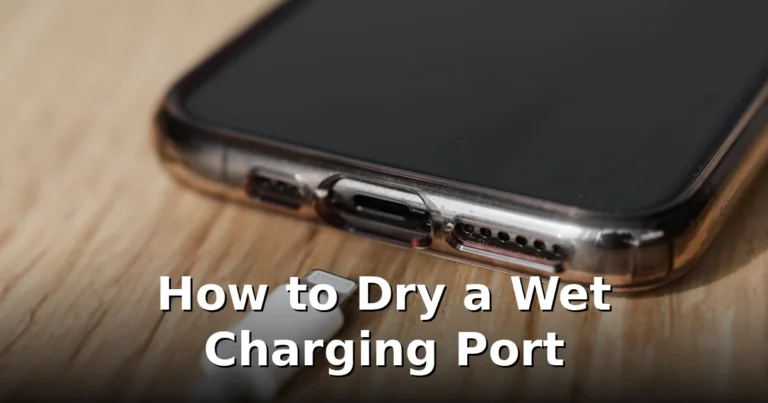
- Water in the charging port: treat this as the highest priority. Keep the port open, facing down, and do not charge until you are confident it is completely dry.
Check the speaker’s IP rating if you can. IPX7 means it is rated to survive brief immersion, IPX5 or IPX6 means it handles jets and splashes, and no rating means it was never designed to get wet at all. The rating tells you what the speaker was built to survive, not a guarantee — a cracked case, a worn port flap, or an old seal can let water in where a new unit would not.
Step 3: Dry it properly
Patience is the whole method here, and most shortcuts make things worse:
- Place the speaker grille-down on a dry towel in a well-ventilated room, with the port flap open.
- Leave it for at least 24 hours if it was submerged, and longer if it was a big speaker with a lot of internal space. Small pocket speakers may dry in a few hours; a large party speaker can take two days.
- A fan on a low setting from across the room helps. A hair dryer on hot does not — heat can warp the grille, soften glue, and damage the battery.
- Do not seal it in rice. Rice dust gets into grilles and ports, and open air dries a speaker just as fast, as we explain in our rice myth guide.
- Silica gel packets can help if you happen to have them, placed around (not inside) the speaker in a ventilated spot — but they are a bonus, not a requirement.
Only when the outside is dry, the port looks dry, and at least a full day has passed should you try switching it on — at low volume first, with a track you know well, listening for crackle, buzz, or one side sounding weaker than the other.
Can a water-eject tone help a Bluetooth speaker?
For a phone speaker, a water-eject tone works because the speaker is small and the tone vibrates droplets straight out of the mesh. On a larger Bluetooth speaker it is less reliable: the driver is bigger, the grille is deeper, and water may be sitting in the cabinet rather than on the mesh. A short, low-volume tone run after the speaker is mostly dry can help shake out the last droplets from the grille, but it is not a substitute for drying time, and you should never run one through a speaker that is still visibly wet or dripping. If you want the phone-speaker version of this technique, our water-eject guide explains what the tone actually does and where its limits are.
Signs it needs a repair
Stop and get professional help if you notice any of these:
- The speaker crackles, buzzes, or distorts at every volume even after two days of drying.
- Only one driver plays, or the sound cuts in and out.
- The battery swells, the case bulges, or the speaker gets hot while charging.
- It smells burnt, or the charging port looks green or white with corrosion.
- It will not switch on at all after thorough drying.
A swollen battery is the one case where you should not keep trying: do not charge it, do not puncture it, and take it to a battery recycling point or repair shop. For a cheaper speaker, the repair may cost more than a replacement — for a premium one, a driver or port replacement is often worth it, and a repair shop can tell you in minutes which side of that line you are on.
Frequently Asked Questions
Can I use my Bluetooth speaker while it is still wet?
No. Keep it switched off and unplugged until it is dry. Playing a wet speaker risks shorting and permanent driver damage.
How long should I wait before turning a wet Bluetooth speaker on?
At least 24 hours after submersion, longer for large speakers. A light splash may only need a few hours, but when in doubt, wait longer.
Does rice dry out a Bluetooth speaker?
No better than open air, and rice dust can clog the grille and port. Airflow, time, and an open port flap work better.
My speaker works but sounds muffled after getting wet. Will it recover?
Often, yes — muffling is usually water sitting on the grille or driver, and it clears as the last moisture evaporates. If it is still muffled after two days of drying, the driver or grille may be damaged.
Is a waterproof speaker safe to use straight after it gets wet?
Safer than a non-waterproof one, but still give it a wipe and a short dry, especially around the charging port, before charging it. Waterproof ratings cover fresh water, not necessarily salt or chlorinated water.
The short version
Switch it off, do not charge it, drain it grille-down, dry it in open air for at least a day, then test it quietly. Most wet Bluetooth speakers that survive the first hour untouched go on to survive the week — the damage usually happens when someone powers one up too soon. If you also have a wet phone to deal with, our phone speaker water guide covers that side of the rescue.